Discover the Timeless Appeal of Bonnie Brae
Nestled in the heart of South Denver, the Bonnie Brae Denver neighborhood stands as one of the city’s most charming and well-preserved historic districts. With its tree-lined streets, distinctive Tudor and brick bungalow architecture, and strong sense of community, Bonnie Brae offers residents a perfect blend of small-town charm and urban convenience. Whether you’re a young professional seeking walkability or a growing family looking for a neighborhood with character, Bonnie Brae delivers on all fronts.
This comprehensive guide will walk you through everything you need to know about living in Bonnie Brae, from its rich history and famous ice cream culture to housing options, schools, and lifestyle amenities. By the end, you’ll understand why this South Denver gem consistently ranks among the most desirable neighborhoods in the metro area.
The Rich History of Bonnie Brae
The Bonnie Brae Denver neighborhood gets its name from the Scottish phrase meaning ‘beautiful hillside,’ and the area truly lives up to its moniker. Developed in the 1920s and 1930s, Bonnie Brae was designed as an upscale residential district for Denver’s growing middle and upper-middle class.
The neighborhood’s development coincided with the expansion of Denver’s streetcar system, which made it easily accessible from downtown. This transportation connection allowed residents to enjoy suburban living while maintaining convenient access to the city center—a concept that remains highly relevant today.
What sets Bonnie Brae apart from other historic Denver neighborhoods is its architectural consistency and preservation. The original developers implemented strict building codes and architectural guidelines that created the cohesive, elegant streetscape we see today. These guidelines favored English Tudor, Colonial Revival, and brick bungalow styles, resulting in a neighborhood that feels both timeless and distinctly Denver.
During World War II, many of Bonnie Brae’s residents served overseas, and the neighborhood remained relatively stable. The post-war boom brought new families to the area, but the strong homeowners association and community commitment to preservation ensured that the neighborhood’s character remained intact.
The Legendary Ice Cream Shop Culture
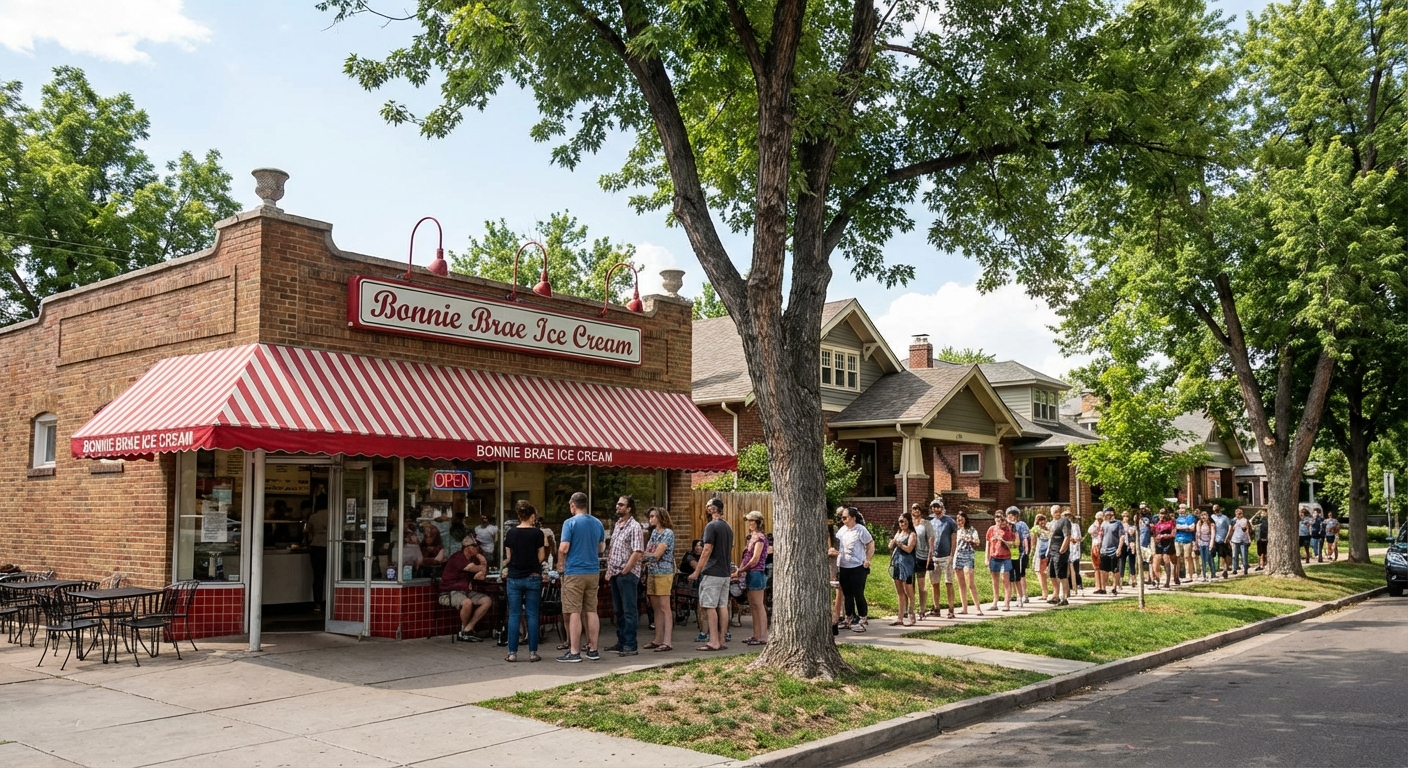
No discussion of the Bonnie Brae Denver neighborhood would be complete without mentioning its most famous landmark: the Bonnie Brae Ice Cream shop. Operating since 1986, this beloved institution has become synonymous with the neighborhood itself and represents much more than just a local business—it’s a community gathering place and cultural touchstone.
The ice cream shop, located at the corner of University Boulevard and Ohio Avenue, serves as the neighborhood’s unofficial town square. On any given evening, especially during warmer months, you’ll find families with children, couples on dates, and longtime residents catching up with neighbors while enjoying some of Denver’s best ice cream.
What makes the Bonnie Brae ice cream culture special is how it brings together residents of all ages. Children grow up making regular trips to the shop, teenagers gather there after school, and adults continue the tradition with their own families. Many residents have stories about proposals, first dates, and milestone celebrations that took place at or near the famous corner.
The shop’s popularity extends far beyond the neighborhood boundaries, with Denver residents from across the metro area making special trips to Bonnie Brae. This draws visitors to the neighborhood regularly, creating a vibrant street life and supporting other local businesses along University Boulevard.
Walkability and Transportation
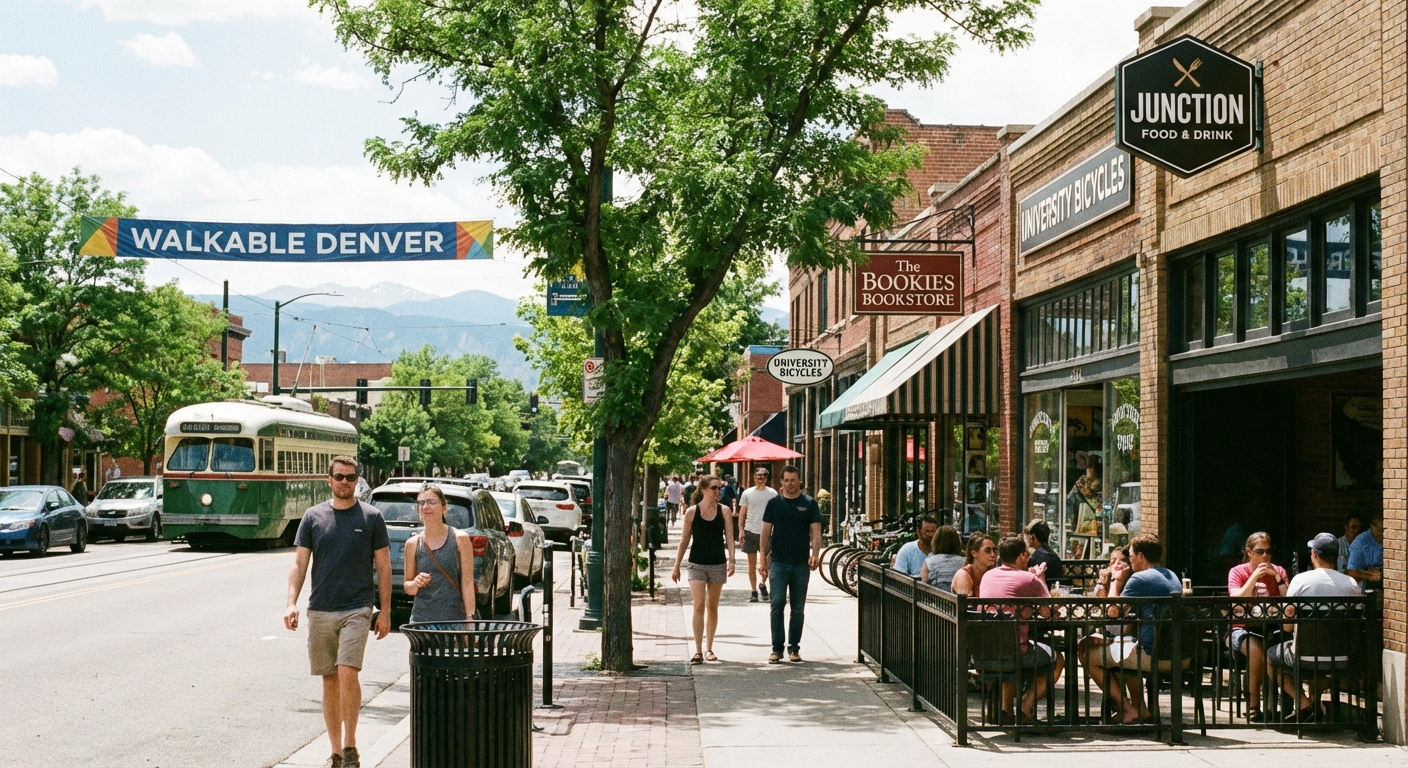
One of the strongest selling points of the Bonnie Brae Denver neighborhood is its exceptional walkability. The neighborhood earns high Walk Score ratings thanks to its grid street pattern, sidewalk infrastructure, and concentration of amenities within easy walking distance.
The commercial core along University Boulevard provides residents with everyday necessities within a few blocks of most homes. You can easily walk to restaurants, coffee shops, banks, medical offices, and specialty retail stores. The neighborhood’s flat terrain and well-maintained sidewalks make walking pleasant and accessible for residents of all ages and mobility levels.
For bicycle enthusiasts, Bonnie Brae offers excellent connectivity to Denver’s growing bike lane network. The neighborhood’s quiet residential streets are perfect for casual cycling, while nearby bike lanes provide safe routes to downtown Denver, Washington Park, and other destinations.
Public transportation options include several RTD bus routes that run along University Boulevard and nearby streets, providing connections to downtown Denver, the Tech Center, and other parts of the metro area. While not directly served by light rail, the neighborhood is within reasonable driving distance of several RTD stations.
For car owners, Bonnie Brae’s location provides easy access to major highways and Denver’s central business district. The neighborhood sits just minutes from Interstate 25 and Highway 6, making commutes to downtown, the Denver Tech Center, or Denver International Airport quite manageable.
Housing Options and Architecture
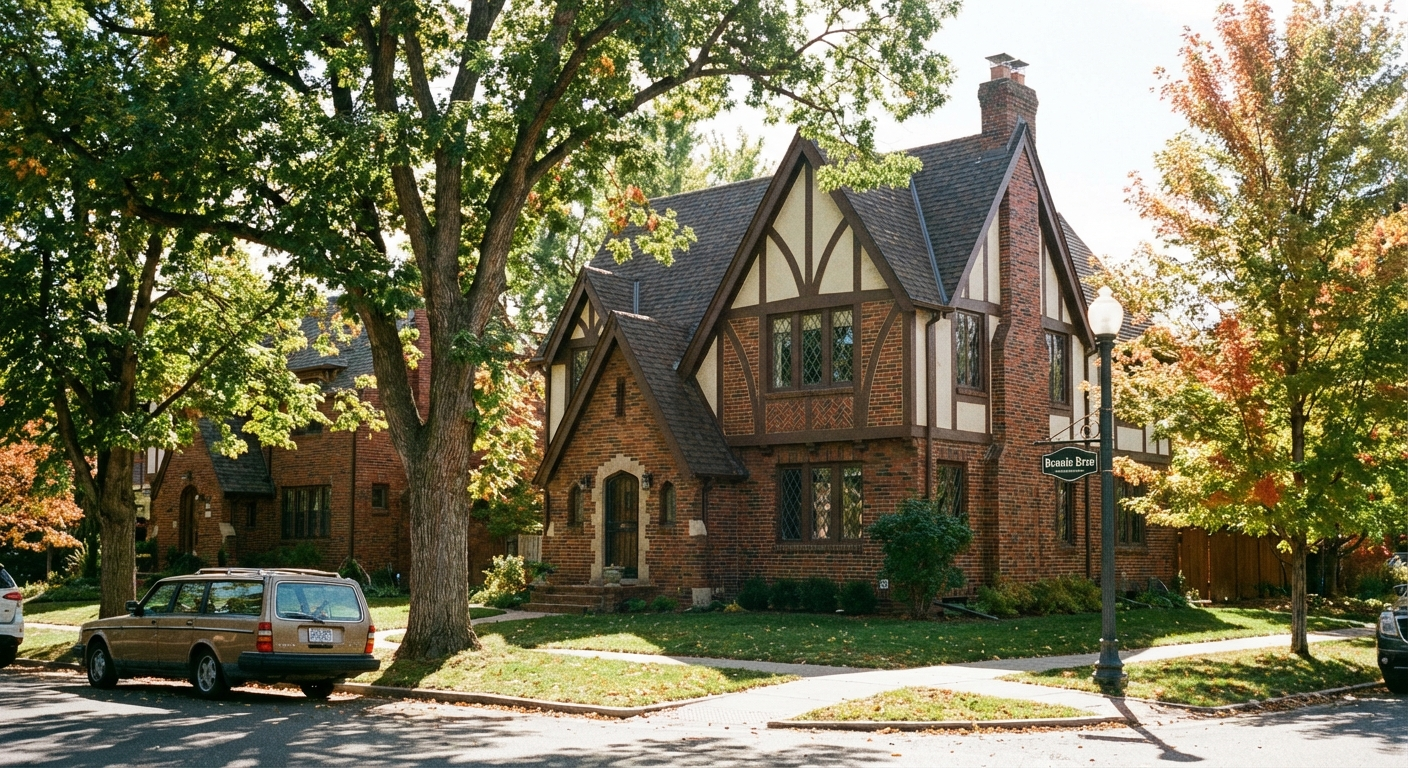
The housing stock in the Bonnie Brae Denver neighborhood is one of its most defining characteristics. The area is renowned for its collection of well-preserved Tudor Revival homes, English cottages, and brick bungalows that date primarily from the 1920s and 1930s.
Tudor-style homes are particularly prominent throughout Bonnie Brae, featuring distinctive elements like steep-pitched roofs, decorative half-timbering, arched doorways, and leaded glass windows. These homes typically range from 1,800 to 3,000 square feet and often include charming details like built-in bookcases, hardwood floors, and original tile work.
Brick bungalows represent another significant portion of the neighborhood’s housing stock. These homes, typically smaller than the Tudors, offer efficient floor plans, covered front porches, and the kind of craftsmanship that was standard in the pre-war era. Many feature original hardwood floors, built-in cabinetry, and decorative brick or stonework.
In recent years, some homeowners have undertaken thoughtful renovations and additions that respect the neighborhood’s architectural character while adding modern amenities. These updated homes often feature expanded kitchens, additional bathrooms, and finished basements while maintaining their historic curb appeal.
Most properties in Bonnie Brae sit on generous lots with mature landscaping and established trees. Gardens are a neighborhood passion, with many homes featuring beautiful flower beds, vegetable gardens, and carefully maintained lawns that contribute to the area’s overall appeal.
Current Housing Prices and Market Trends
The Bonnie Brae Denver neighborhood commands premium prices that reflect its desirability, historic character, and prime location. Current market conditions show homes typically selling in the $800,000 to $1,200,000 range, though prices can vary significantly based on size, condition, lot size, and specific location within the neighborhood.
Smaller brick bungalows and cottages generally start around $700,000 to $850,000, especially if they need some updating or are located on busier streets. These homes often appeal to first-time buyers or those looking to put their own stamp on a historic property.
Mid-size Tudor and Colonial Revival homes typically fall in the $900,000 to $1,150,000 range. These properties usually offer 2,500 to 3,000 square feet, updated systems, and move-in ready condition. They’re popular with families who want space and character without a major renovation project.
Premium properties—those with exceptional architectural details, prime locations, extensive updates, or unusually large lots—can exceed $1,300,000. These homes often feature professional renovations, high-end finishes, and meticulous attention to historic preservation.
The neighborhood has shown strong appreciation over the past decade, driven by Denver’s overall population growth and the limited supply of well-preserved historic homes. This trend is expected to continue, making Bonnie Brae both a desirable place to live and a solid real estate investment. However, potential buyers should be prepared for competitive market conditions and the possibility of bidding wars on the most desirable properties.
Proximity to Washington Park and Cherry Creek
Location is everything in real estate, and the Bonnie Brae Denver neighborhood benefits enormously from its strategic position between two of Denver’s most beloved destinations: Washington Park and Cherry Creek.
Washington Park, just a short walk or bike ride to the east, offers 165 acres of green space, recreational facilities, and community gathering opportunities. Bonnie Brae residents regularly use the park for jogging, dog walking, picnicking, and recreational sports. The park’s tennis courts, basketball courts, and playgrounds provide excellent recreational opportunities for families, while the lakes and gardens offer peaceful retreats for all ages.
The connection to Washington Park extends beyond recreation. The park hosts numerous community events throughout the year, including concerts, festivals, and farmers markets that Bonnie Brae residents can easily attend. This access to programming and events significantly enhances the neighborhood’s quality of life.
To the north, the upscale Cherry Creek area provides world-class shopping, dining, and entertainment options. The Cherry Creek Mall and Cherry Creek North offer everything from everyday shopping to luxury brands, while the area’s restaurants represent some of Denver’s finest dining options.
This proximity means Bonnie Brae residents can walk to Washington Park for recreation and drive just a few minutes to Cherry Creek for urban amenities. Few neighborhoods in Denver offer such convenient access to both natural spaces and sophisticated urban attractions.
Schools and Education
Education is a crucial consideration for many families, and the Bonnie Brae Denver neighborhood offers access to some of Denver’s most respected schools. The area falls within the boundaries of several Denver Public Schools (DPS) institutions, with some homes also having access to the highly regarded Cherry Creek School District.
For elementary education, many Bonnie Brae students attend Steele Elementary School, which has a strong reputation for academic excellence and community involvement. The school’s proximity to the neighborhood means children can walk to school, fostering independence and community connections.
Middle school options include Morey Middle School, which serves the area and offers strong academic programs along with extracurricular activities. The school’s location and programming make it a popular choice among Bonnie Brae families.
High school students typically attend South High School, one of Denver’s flagship institutions known for its academic rigor, diverse programming, and strong college preparation. South High has a long history of excellence and regularly sends graduates to top universities nationwide.
Beyond public schools, the neighborhood’s location provides access to several respected private schools throughout the Denver metro area. Many families choose from among the region’s Catholic, secular private, and specialty schools based on their particular educational philosophies and needs.
The neighborhood’s educated population and emphasis on community create an environment that values learning and achievement. Many residents are involved in school volunteer activities, and the community strongly supports educational initiatives and programs.
Dining and Shopping on South University Boulevard
South University Boulevard serves as the commercial heart of the Bonnie Brae Denver neighborhood, offering residents a diverse array of dining and shopping options within easy walking distance. This stretch of University Boulevard has evolved into one of South Denver’s most vibrant neighborhood commercial districts.
The dining scene along University Boulevard caters to a wide range of tastes and budgets. Casual options include popular spots for coffee, breakfast, and lunch that serve as regular gathering places for neighborhood residents. Several restaurants offer outdoor seating, perfect for people-watching and enjoying Denver’s abundant sunny days.
For more upscale dining, the corridor features several acclaimed restaurants that draw diners from across the Denver metro area. These establishments often emphasize locally sourced ingredients and creative approaches to both traditional and contemporary cuisine.
The shopping options along University Boulevard focus primarily on specialty retail, services, and everyday conveniences. Residents can find everything from hair salons and dry cleaners to boutique shops and professional services. This mix ensures that most daily errands can be accomplished on foot or with a very short drive.
Medical and professional services are also well-represented along the corridor, with dental offices, medical practices, and various professional service providers. This concentration of services adds to the neighborhood’s convenience and walkability.
The commercial district continues to evolve, with new businesses regularly opening while long-established ones maintain their community connections. This balance of stability and renewal keeps the area vibrant and responsive to residents’ changing needs.
Community Life and Culture
The sense of community in the Bonnie Brae Denver neighborhood is one of its most attractive features. Residents often describe the area as feeling like a small town within a big city, where neighbors know each other and community events bring people together regularly.
The Bonnie Brae Neighborhood Association plays an active role in community life, organizing events, advocating for neighborhood interests, and maintaining the area’s historic character. The association’s monthly meetings provide a forum for residents to discuss local issues, share information, and coordinate community activities.
Annual events like the Bonnie Brae Ice Cream Social and neighborhood cleanup days foster community spirit and provide opportunities for residents to connect. These events often feature activities for children, live music, and opportunities to meet neighbors from throughout the area.
The neighborhood’s walkability contributes significantly to its community atmosphere. Daily walks, visits to local businesses, and impromptu conversations on sidewalks and at the ice cream shop create natural opportunities for residents to build relationships and stay connected with community happenings.
Many residents are involved in local volunteer activities, from school support to community gardening projects. This civic engagement reflects the neighborhood’s educated, engaged population and contributes to its overall quality of life.
Living in Bonnie Brae: Pros and Cons
Advantages of Bonnie Brae Living
- Historic Character: Beautiful, well-preserved architecture that provides timeless appeal and strong property values
- Walkability: Easy walking access to shops, restaurants, and services along University Boulevard
- Community Feel: Strong neighborhood identity and active resident engagement
- Location: Close proximity to Washington Park, Cherry Creek, and downtown Denver
- Schools: Access to well-regarded educational options
- Mature Landscaping: Established trees and gardens create a beautiful, peaceful environment
- Investment Potential: Strong property value appreciation and continued demand
Potential Challenges
- Price Point: Higher housing costs may limit accessibility for some buyers
- Limited Inventory: Few homes come on the market, creating competitive buying conditions
- Parking: Some streets have limited parking, especially during busy times
- Tourist Traffic: The famous ice cream shop draws visitors who may crowd local streets
- Maintenance Costs: Historic homes may require specialized maintenance and renovation approaches
Transportation and Commuting
Residents of the Bonnie Brae Denver neighborhood benefit from excellent transportation connections that make commuting to various parts of the Denver metro area highly manageable. The neighborhood’s central location and access to major transportation corridors provide multiple options for getting around the city.
For those working downtown, the commute is typically 10-15 minutes by car via University Boulevard or other north-south arterials. Public transportation options include several bus routes that provide direct or single-transfer service to downtown Denver and other major employment centers.
Commuters heading to the Denver Tech Center or other southern suburbs will find Interstate 25 easily accessible, making these commutes quite reasonable. Similarly, access to Highway 6 provides good connections to Golden, Lakewood, and other western suburbs.
The neighborhood’s bike-friendly streets and connections to Denver’s expanding bike lane network make bicycle commuting a viable option for many residents, especially those working downtown or in nearby areas.
Future Outlook and Development
The future of the Bonnie Brae Denver neighborhood looks bright, with several factors contributing to continued desirability and growth in property values. The area’s historic designation and strong community advocacy help ensure that development pressures won’t compromise the neighborhood’s essential character.
Recent trends show continued investment in property renovations and improvements, with homeowners updating their properties while respecting historic architectural elements. This ongoing investment maintains and enhances property values while preserving the neighborhood’s appeal.
The commercial corridor along University Boulevard continues to evolve, with new businesses complementing established ones. This organic growth pattern suggests the area will remain vibrant and responsive to residents’ needs without losing its neighborhood character.
Denver’s overall population growth and the limited supply of well-preserved historic neighborhoods like Bonnie Brae suggest that demand for homes in the area will remain strong. This positions current residents well for long-term property value appreciation.
Is Bonnie Brae Right for You?
The Bonnie Brae Denver neighborhood appeals to a diverse range of residents, but it’s particularly well-suited for certain lifestyles and priorities. Understanding whether the neighborhood aligns with your needs and preferences is crucial for making the right housing decision.
Bonnie Brae is ideal for buyers who appreciate historic architecture and don’t mind the maintenance and care that older homes require. The neighborhood appeals to those who value walkability, community involvement, and access to urban amenities without sacrificing neighborhood character.
Families with school-age children often find Bonnie Brae attractive due to its school options, safe streets, and family-friendly community atmosphere. The proximity to Washington Park provides excellent recreational opportunities for children and adults alike.
Young professionals and empty nesters also find the neighborhood appealing, particularly those who enjoy walking to restaurants and shops, want easy access to downtown Denver, and appreciate the area’s sophisticated yet approachable atmosphere.
However, buyers seeking modern, low-maintenance housing or those prioritizing affordability over character might find better options elsewhere in the Denver metro area. Similarly, those who prefer suburban environments with large lots and newer construction might be happier in Centennial or other suburban communities.
Making the Move to Bonnie Brae
If you’re considering a move to the Bonnie Brae Denver neighborhood, timing and preparation are crucial for success in this competitive market. Working with a real estate agent who knows the area well and understands historic properties can make a significant difference in your buying experience.
Before house hunting, get pre-approved for a mortgage and be prepared to act quickly when the right property becomes available. Homes in Bonnie Brae often receive multiple offers, so having your financing lined up and being ready to make competitive offers is essential.
Consider hiring inspectors who have experience with historic homes and understand the unique maintenance and renovation challenges these properties may present. This expertise can help you make informed decisions and avoid costly surprises after purchase.
Take time to explore the neighborhood at different times of day and days of the week to get a feel for traffic patterns, noise levels, and community activity. Visit local businesses, walk through Washington Park, and imagine how your daily routine would unfold in this setting.
Conclusion: Bonnie Brae’s Enduring Appeal
The Bonnie Brae Denver neighborhood represents one of South Denver’s most successful examples of historic preservation combined with modern livability. Its tree-lined streets, distinctive architecture, and strong sense of community create an environment that appeals to residents across different life stages and backgrounds.
From the legendary ice cream shop that serves as an unofficial community center to the beautiful Tudor and brick bungalow homes that line quiet residential streets, Bonnie Brae offers a unique living experience that balances historic charm with contemporary convenience. The neighborhood’s walkability, excellent location, and access to quality schools make it particularly attractive to families, while its sophisticated dining and shopping options appeal to urban professionals.
While the premium pricing and competitive market conditions present challenges for some buyers, those who do make Bonnie Brae their home typically find the investment worthwhile. The neighborhood’s strong property values, active community life, and enduring appeal suggest that it will continue to be one of Denver’s most desirable places to live.
Whether you’re drawn by the architectural beauty, the community atmosphere, or the excellent location, the Bonnie Brae Denver neighborhood offers a lifestyle that successfully combines the best of historic character with modern urban living. For those who can afford the entry price and appreciate what the neighborhood offers, Bonnie Brae represents an opportunity to become part of one of Denver’s most cherished residential communities.
As Denver continues to grow and change, neighborhoods like Bonnie Brae become increasingly valuable for their irreplaceable character and established community bonds. Moving to South Denver means having access to neighborhoods like this one, where the past and present blend seamlessly to create places that truly feel like home.
Frequently Asked Questions
Are reservations recommended?
For popular restaurants, especially on weekends, reservations are highly recommended. Many South Denver dining spots offer online booking through their websites or apps like OpenTable.
Are there options for dietary restrictions?
Most restaurants in the South Denver area offer vegetarian, vegan, and gluten-free options. It’s best to check menus online or call ahead for specific dietary needs.
What is the average price range?
Dining costs vary, but most casual restaurants in South Denver range from $12-25 per entrée. Fine dining options may be higher. Check individual restaurant menus for current pricing.

South Denver Guide is a local resource for neighborhood guides, real estate insights, and things worth doing in South Denver. No fluff, just useful.