Welcome to Platt Park: Where Historic Charm Meets Modern Convenience
The Platt Park Denver neighborhood stands out as one of South Denver’s most dynamic and accessible communities, perfectly balancing historic character with contemporary urban amenities. Known for its vibrant Old South Pearl Street corridor, excellent light rail connectivity, and diverse housing options, Platt Park has become a magnet for young professionals, families, and anyone seeking an authentic Denver neighborhood experience.
Located in the heart of South Denver, this neighborhood offers residents the best of both worlds: walkable streets lined with local shops and restaurants, plus quick access to downtown Denver via light rail. The community’s welcoming atmosphere, combined with its strategic location and reasonable housing prices compared to nearby areas, makes it an increasingly popular choice for those looking to experience true Denver living.
This comprehensive guide will explore everything that makes the Platt Park Denver neighborhood special, from its historic architecture and popular commercial district to its transportation advantages and community culture. Whether you’re considering a move or simply curious about this thriving South Denver enclave, you’ll discover why Platt Park continues to attract residents from all walks of life.
The Rich History of Platt Park
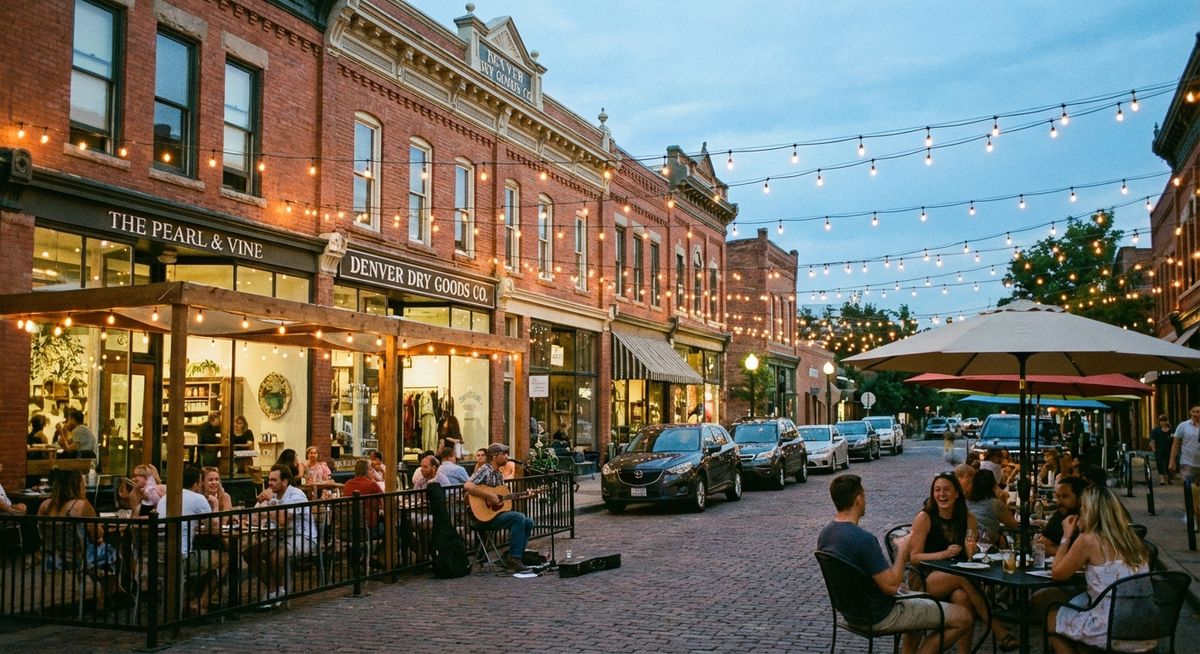
The Platt Park Denver neighborhood takes its name from the actual park at its heart, which was donated to the city in 1889 by James Henry Platt, a prominent Denver businessman and real estate developer. Platt envisioned creating a residential area that would combine the tranquility of suburban living with easy access to downtown Denver—a vision that remains remarkably relevant today.
The neighborhood’s development began in earnest during the 1890s and continued through the 1920s, resulting in the diverse architectural styles that characterize the area today. Unlike some Denver neighborhoods that were developed all at once, Platt Park evolved organically over several decades, creating the eclectic mix of housing styles that residents cherish today.
During the early 20th century, Platt Park was considered a streetcar suburb, with reliable transportation connecting residents to downtown Denver. This early emphasis on public transportation established a pattern that continues today with the neighborhood’s excellent light rail access. The historic streetcar lines ran along what is now South Broadway and other major arterials, making Platt Park an early example of transit-oriented development.
The neighborhood weathered various economic periods while maintaining its residential character. During the post-World War II suburban expansion, many inner Denver neighborhoods lost population, but Platt Park’s unique combination of urban convenience and neighborhood charm helped it retain its appeal. The area’s revival accelerated in the 1980s and 1990s as young professionals and families rediscovered the benefits of urban living with easy downtown access.
Today, the neighborhood’s historic character is protected through local preservation efforts and a strong sense of community pride. Residents actively work to maintain the area’s architectural diversity while welcoming appropriate new development that respects the existing neighborhood fabric.
Old South Pearl Street: The Heart of the Community
Old South Pearl Street serves as the commercial and cultural heart of the Platt Park Denver neighborhood, offering one of Denver’s most charming and walkable shopping and dining districts. This tree-lined stretch between Arizona Avenue and Florida Avenue has evolved into a destination that draws visitors from across the metro area while serving as the daily gathering place for local residents.
The Pearl Street corridor features an impressive collection of locally-owned restaurants, cafes, boutiques, and specialty shops housed in historic buildings that date back to the early 20th century. The architectural character of the street, with its low-scale commercial buildings and pedestrian-friendly design, creates an intimate atmosphere that feels more like a small town main street than an urban commercial district.
Dining options along Old South Pearl Street cater to diverse tastes and budgets, from casual coffee shops perfect for morning meetings to upscale restaurants suitable for special occasions. Many establishments feature outdoor seating that takes advantage of Denver’s abundant sunny weather, creating a vibrant street life throughout much of the year.
The shopping scene emphasizes unique, locally-owned businesses rather than chain stores. Residents can find everything from vintage clothing and handmade goods to books, gifts, and home decor items. This focus on local businesses creates a distinctive character that sets Old South Pearl Street apart from more commercialized shopping areas.
Regular events and festivals on Pearl Street help build community connections and draw visitors to the area. The annual Pearl Street Festival and various seasonal celebrations create opportunities for residents to gather and for local businesses to showcase their offerings. These events contribute significantly to the neighborhood’s sense of community and local identity.
The success of Old South Pearl Street demonstrates the appeal of walkable, mixed-use development that combines commercial activity with residential neighborhoods. The corridor serves as a model for other Denver areas seeking to create vibrant, pedestrian-friendly commercial districts.
Excellent Light Rail Access and Transportation
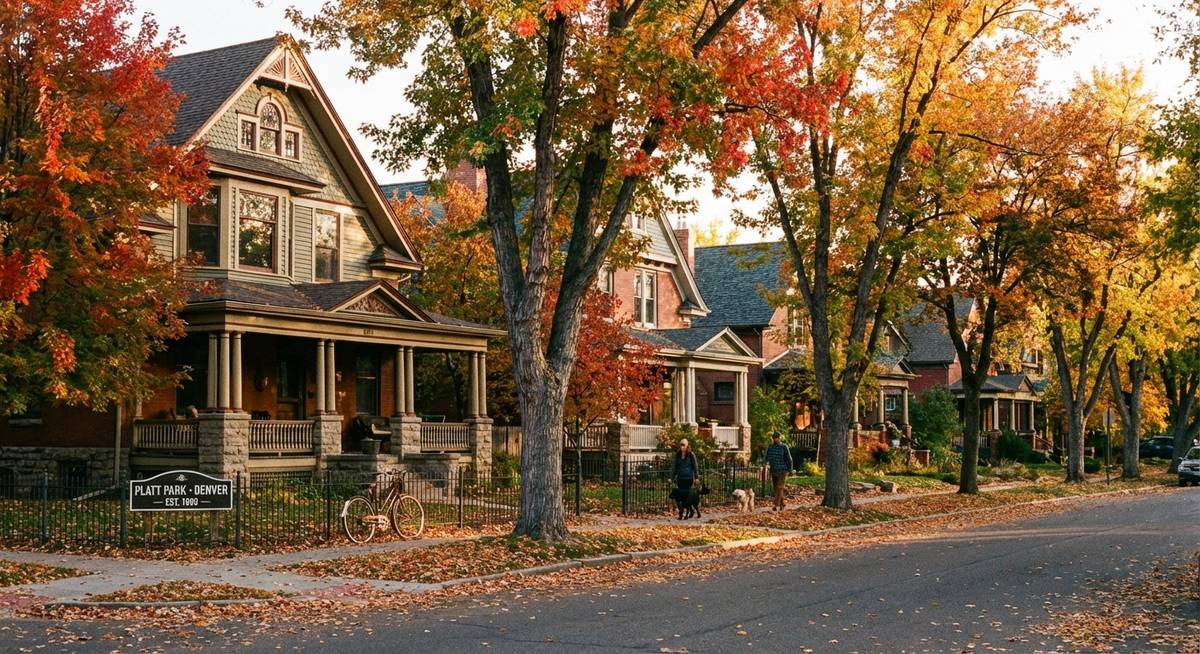
One of the most significant advantages of living in the Platt Park Denver neighborhood is its exceptional public transportation access, particularly the Evans light rail station on RTD’s C and D lines. This transportation connectivity sets Platt Park apart from many other Denver neighborhoods and makes it particularly attractive to commuters and those who prefer to reduce their reliance on cars.
The Evans light rail station, located at Evans Avenue and Santa Fe Drive, provides direct service to downtown Denver in approximately 15-20 minutes. This quick connection makes it feasible for Platt Park residents to work downtown while enjoying the benefits of neighborhood living. The light rail also connects to Denver International Airport via downtown transfer, making travel convenient for residents who fly frequently.
Beyond light rail, the neighborhood benefits from excellent bus service along major corridors including Broadway, Evans Avenue, and Federal Boulevard. These bus routes provide connections to other parts of Denver and surrounding suburbs, creating a comprehensive public transportation network that serves most daily travel needs.
For bicycle enthusiasts, Platt Park offers good connectivity to Denver’s expanding network of bike lanes and trails. The neighborhood’s relatively flat terrain and grid street pattern make cycling comfortable and efficient for both recreation and commuting. Many residents use bicycles to reach the light rail station, extending their car-free transportation options.
Car owners appreciate the neighborhood’s central location and access to major highways. Interstate 25 is easily accessible for trips to other parts of the metro area, while US 6 provides connections to Golden, Lakewood, and other western suburbs. Despite this highway access, many residents find they can accomplish most daily errands and activities within walking distance or via public transportation.
The combination of walkable amenities, light rail access, and highway connectivity gives Platt Park residents flexibility in how they choose to get around, whether they prefer to walk, bike, use public transportation, or drive depending on the situation.
Diverse Housing Options and Architecture
The housing stock in the Platt Park Denver neighborhood reflects the area’s gradual development over several decades, resulting in an appealing mix of architectural styles that cater to different tastes and budgets. This diversity is one of the neighborhood’s greatest strengths, offering options for everyone from first-time homebuyers to those seeking larger family homes.
Victorian homes represent some of the neighborhood’s oldest and most distinctive housing stock, dating primarily from the 1890s and early 1900s. These homes typically feature ornate architectural details, bay windows, wrap-around porches, and the decorative elements characteristic of the Victorian era. Many have been carefully restored and updated while maintaining their historic character, creating stunning examples of Denver’s architectural heritage.
Craftsman bungalows make up a significant portion of Platt Park’s housing inventory, built primarily between 1900 and 1930. These homes offer excellent craftsmanship, with features like built-in cabinetry, hardwood floors, decorative millwork, and covered front porches. The bungalow style’s emphasis on function and comfort makes these homes particularly appealing to modern families.
Denver Square homes, a distinctive local architectural style, are well-represented throughout Platt Park. These cube-shaped homes typically feature four-square floor plans, front porches, and practical layouts that maximize space efficiency. Many Denver Squares have been updated with modern amenities while retaining their characteristic external appearance.
In recent years, the neighborhood has seen thoughtful new construction and innovative infill development that respects the existing architectural context while providing modern amenities. These newer homes often feature contemporary design elements while maintaining scale and materials that complement the historic fabric of the neighborhood.
Lot sizes in Platt Park are generally more generous than those found in denser urban areas, providing space for gardens, outdoor entertainment, and parking. Many properties feature mature trees and established landscaping that contribute to the neighborhood’s attractive streetscapes and overall appeal.
The mix of housing types and sizes means that residents can often find options to suit different life stages within the same neighborhood. Young professionals might start with a smaller bungalow and later move to a larger Victorian or newer construction home as their needs change, all while staying within the Platt Park community.
Current Housing Market and Pricing
The Platt Park Denver neighborhood offers relatively accessible housing prices compared to some other popular Denver areas, making it an attractive option for buyers seeking neighborhood character and urban amenities without premium price tags. Current market conditions show homes typically selling in the 00,000 to 00,000 range, though prices vary based on size, condition, architectural style, and specific location within the neighborhood.
Smaller homes, including modest bungalows and cottages that may need some updating, generally start around 00,000 to 00,000. These properties often appeal to first-time homebuyers, young professionals, or investors looking for rental properties. The lower entry price point makes it possible for more people to access the neighborhood’s amenities and lifestyle.
Mid-range properties, typically including well-maintained Craftsman bungalows, Denver Squares, and smaller Victorian homes, usually fall in the 00,000 to 00,000 range. These homes often feature original architectural details, updated systems, and move-in ready condition, making them popular with buyers who want character without major renovation projects.
Premium properties—including larger Victorian homes, extensively renovated historic houses, and high-quality new construction—can reach 50,000 to 00,000 or more. These homes typically offer larger square footage, luxury finishes, and exceptional architectural details or modern amenities.
The neighborhood’s proximity to Old South Pearl Street, light rail access, and overall walkability contribute to property values and market demand. Homes within easy walking distance of Pearl Street or the light rail station often command premium prices due to their convenience and lifestyle benefits.
Market trends show steady appreciation over the past several years, driven by Denver’s population growth and the increasing recognition of Platt Park’s advantages. The neighborhood’s combination of affordability, character, and convenience continues to attract buyers, supporting stable property values and making it an attractive area for both living and investment.
Buyers should be prepared for competitive market conditions, especially for well-priced homes in excellent condition. Properties close to Pearl Street or with exceptional architectural features may receive multiple offers, making preparation and quick decision-making important for successful purchases.
The Young Professional Vibe
The Platt Park Denver neighborhood has developed a particularly strong appeal among young professionals, creating a thriving area atmosphere that balances work-life priorities with social and cultural opportunities. This demographic trend has significantly influenced the neighborhood’s character and amenities, making it one of Denver’s most dynamic areas for career-focused individuals and couples.
The light rail connectivity to downtown Denver makes Platt Park especially attractive to young professionals who work in the central business district but prefer neighborhood living over downtown high-rise apartments. The quick commute allows residents to enjoy urban careers while returning home to tree-lined streets, local restaurants, and a more relaxed pace of life.
Old South Pearl Street caters particularly well to young professional lifestyles, offering numerous coffee shops perfect for remote work or casual meetings, restaurants suitable for both weeknight dinners and weekend social gatherings, and bars and entertainment venues that create natural networking and socializing opportunities. The walkable nature of the corridor means residents can easily meet friends for dinner or drinks without worrying about parking or designated drivers.
The neighborhood’s housing stock works well for young professional budgets and lifestyles. Smaller bungalows and cottages provide affordable entry points into homeownership, while the architectural character offers more appeal than generic suburban developments. Many young professionals appreciate the ability to own historic homes with character while maintaining reasonable monthly housing costs.
Platt Park’s social scene includes regular community events, farmers markets, and festivals that provide opportunities to meet neighbors and build local connections. The neighborhood’s active social media groups and community organizations make it easy for newcomers to get involved and find their place in the community.
The area’s proximity to Washington Park provides excellent recreational opportunities for fitness-conscious young professionals. Running, biking, tennis, and other outdoor activities are easily accessible, supporting active lifestyles that many professionals prioritize.
As young professionals progress in their careers and start families, many choose to remain in Platt Park, creating stability and continuity within the community. This pattern contributes to the neighborhood’s balanced demographics and helps maintain its vibrant yet settled character.
Walkability and Daily Life
The walkability of the Platt Park Denver neighborhood ranks among its most attractive features, earning high Walk Score ratings and creating a lifestyle where many daily activities can be accomplished on foot. This pedestrian-friendly environment significantly enhances residents’ quality of life and reduces dependence on cars for routine errands and social activities.
The neighborhood’s grid street pattern, consistent sidewalk infrastructure, and relatively flat terrain make walking pleasant and accessible for people of all ages and fitness levels. Well-maintained sidewalks connect residential areas to Old South Pearl Street and other neighborhood amenities, while tree-lined streets provide shade and visual appeal.
Daily necessities are within easy walking distance for most residents. Old South Pearl Street provides grocery shopping, banking, postal services, medical and dental offices, and various personal services. This concentration of amenities means residents can accomplish most routine errands without getting in their cars.
The dining scene supports walkable lifestyle choices with options for quick breakfast, lunch meetings, casual dinners, and special occasion dining all available within the neighborhood. Coffee shops provide workspace alternatives for remote workers and natural meeting places for social and business interactions.
Recreation and fitness opportunities abound within walking or short biking distance. Platt Park itself provides green space for relaxation and informal recreation, while Washington Park offers extensive recreational facilities just a short walk or bike ride away. The neighborhood’s tree-lined streets also provide pleasant routes for walking, jogging, and casual cycling.
Safety contributes significantly to the area’s walkability, with well-lit streets, regular foot traffic, and active community watch programs helping create secure conditions for walking at all times of day. The presence of other pedestrians and the “eyes on the street” provided by active commercial areas enhance personal security and comfort.
The walkable lifestyle reduces transportation costs, supports environmental sustainability, and creates opportunities for spontaneous social interactions that strengthen community bonds. Many residents report that the ability to walk to daily activities significantly improves their overall quality of life and connection to their neighborhood.
Platt Park Itself: The Neighborhood’s Green Heart
At the center of the Platt Park Denver neighborhood lies the park that gives the area its name—a beautifully maintained green space that serves as a focal point for community life and recreational activities. This historic park, donated to the city more than 130 years ago, continues to fulfill its original purpose of providing residents with accessible outdoor recreation and gathering opportunities.
Platt Park features well-maintained walking paths that are popular with joggers, dog walkers, and families taking evening strolls. The paths connect different areas of the park while providing exercise opportunities right in the neighborhood’s heart. These walking routes are particularly popular during Denver’s many sunny days and provide a peaceful alternative to street walking.
The park’s playground facilities make it a natural gathering place for families with children. The playground equipment serves different age groups and is regularly updated to meet current safety standards. Parents often use the playground as an opportunity to meet neighbors and build community connections, while children develop friendships that extend beyond park boundaries.
Open lawn areas provide space for informal recreation, from frisbee and soccer to picnicking and outdoor events. These flexible spaces adapt to various uses throughout the year, supporting everything from impromptu family gatherings to community festivals and celebrations.
Mature trees throughout the park provide shade during summer months and beautiful seasonal displays throughout the year. The established landscape creates a peaceful environment that serves as a natural respite from urban activity and provides habitat for urban wildlife including various bird species.
The park hosts various community events throughout the year, including concerts, farmers markets, and seasonal celebrations. These events bring residents together and strengthen the sense of community that characterizes the neighborhood. The park’s central location makes it easily accessible for residents throughout the area.
Maintenance of the park reflects the community’s pride in their neighborhood, with both city resources and volunteer efforts contributing to its upkeep. The park’s continued vitality demonstrates the enduring value of quality public spaces in creating livable, attractive neighborhoods.
Schools and Education
Families considering the Platt Park Denver neighborhood will find access to quality educational options that serve students from elementary through high school. The area falls within Denver Public Schools (DPS) boundaries and benefits from the district’s ongoing improvement efforts and innovative programming approaches.
Elementary school options include several well-regarded institutions that serve the Platt Park area. These schools typically offer strong academic programs, active parent involvement, and various extracurricular activities. The walkable nature of the neighborhood means many children can safely walk or bike to school, fostering independence and community connections.
For middle school education, students have access to DPS institutions that provide comprehensive academic programming along with sports, arts, and other extracurricular opportunities. These schools serve as important transition points for students and often become focal points for family involvement in the broader community.
High school students typically attend institutions that offer college preparatory programs, career and technical education options, and diverse extracurricular activities. Denver’s choice system allows families to apply for schools throughout the district, providing options for specialized programs or educational approaches that match individual student needs.
Beyond traditional public schools, the neighborhood’s central location provides access to various charter schools, magnet programs, and private institutions throughout the Denver metro area. This variety ensures families can find educational options that align with their values and educational philosophies.
The neighborhood’s resident population includes many educators, professionals, and engaged families who support educational excellence through volunteer work, advocacy, and community involvement. This creates a culture that values learning and academic achievement, benefiting all local students.
Proximity to the Cherry Creek School District boundary also provides some families with access to these highly-rated suburban schools, depending on exact address and district policies. This additional option expands educational choices for families in certain parts of the neighborhood.
Dining and Entertainment
The dining and entertainment scene in the Platt Park Denver neighborhood reflects the area’s diverse population and community-oriented character, offering options that serve both daily needs and special occasions while supporting the walkable lifestyle that residents value.
Old South Pearl Street serves as the epicenter of the neighborhood’s dining scene, featuring restaurants that range from casual breakfast spots perfect for weekend brunches to upscale establishments suitable for date nights and special celebrations. The variety ensures residents can find options for any occasion without leaving their neighborhood.
Coffee culture thrives throughout the area, with several independent coffee shops providing not just beverages but also workspace for remote workers, meeting places for friends, and community gathering spots. These establishments often feature local artwork, live music, and events that strengthen community connections.
The neighborhood’s bars and pubs cater to different preferences, from casual sports bars where neighbors gather to watch games to more sophisticated cocktail establishments that attract diners from across the metro area. Many feature outdoor seating that takes advantage of Denver’s favorable weather and creates vibrant street life.
International cuisine is well-represented throughout Platt Park, reflecting Denver’s growing diversity and residents’ sophisticated tastes. Options typically include Mexican, Italian, Asian, and other ethnic restaurants that provide both authentic flavors and fusion approaches appealing to diverse palates.
Entertainment options extend beyond restaurants to include live music venues, art galleries, and specialty retail shops that create destinations for both residents and visitors. Regular events like art walks, live music nights, and seasonal festivals add to the area’s cultural richness.
The proximity to downtown Denver expands entertainment options significantly, with light rail access making it easy to attend concerts, theater performances, professional sports events, and other cultural activities while returning home to the neighborhood’s quieter residential streets.
Many establishments feature outdoor seating, sidewalk cafes, and patios that contribute to the neighborhood’s pedestrian-friendly atmosphere and create opportunities for people-watching and spontaneous social interactions that build community connections.
Community Culture and Events
The community culture in the Platt Park Denver neighborhood is characterized by active resident engagement, regular social events, and a strong sense of place that brings together people from diverse backgrounds and life stages. This active neighborhood spirit is one of the area’s most attractive features and contributes significantly to residents’ quality of life.
The Platt Park People Association serves as the neighborhood’s primary community organization, coordinating events, advocating for neighborhood interests, and providing forums for resident input on local issues. Regular meetings and social media communications help keep residents informed and engaged in community affairs.
Annual events like the Pearl Street Festival create major community celebrations that bring together residents, local businesses, and visitors from throughout the Denver area. These festivals typically feature live music, food vendors, arts and crafts, and activities for children, creating memorable experiences and strengthening community bonds.
Regular farmers markets provide opportunities for residents to support local agriculture while meeting neighbors and enjoying outdoor social time. These markets often feature local musicians, artisans, and food vendors, creating weekly community gatherings that many residents build into their routine.
Seasonal celebrations and holiday events help mark the passing of time and create shared experiences for residents of all ages. From Halloween activities for children to holiday lights tours and community service projects, these events foster the neighborhood connections that make Platt Park feel like a true community.
The neighborhood’s active social media presence and community groups facilitate communication, resource sharing, and social connections. Residents regularly use these platforms to recommend services, organize informal gatherings, share information about local issues, and welcome newcomers to the area.
Volunteer opportunities abound throughout the community, from park maintenance and beautification projects to supporting local schools and helping with community events. This culture of civic engagement reflects the values of residents and contributes to the area’s continued improvement and appeal.
The diversity of the resident population—including young professionals, families, empty nesters, and longtime Denver residents—creates a rich community tapestry where different perspectives and experiences contribute to neighborhood character and resilience.
Proximity to Major Denver Attractions
Living in the Platt Park Denver neighborhood provides residents with excellent access to many of Denver’s most popular attractions and destinations, enhancing the lifestyle benefits of the area while maintaining the quieter residential character that makes it attractive as a home base.
Washington Park, one of Denver’s premier recreational destinations, lies just a short walk or bike ride to the east of Platt Park. This 165-acre park offers extensive recreational facilities including tennis courts, basketball courts, playgrounds, lakes for paddle boating, and miles of walking and running paths. The park’s gardens, events, and programming provide year-round activities that significantly enhance residents’ recreational options.
Downtown Denver is easily accessible via light rail, placing residents within 20 minutes of the central business district, Coors Field, the Colorado Convention Center, and the vibrant Lower Downtown (LoDo) entertainment district. This connectivity makes it practical for residents to enjoy downtown’s cultural attractions, professional sports events, concerts, and nightlife while living in a neighborhood environment.
The Denver Art Museum, Colorado History Museum, and other major cultural institutions are quickly reachable via public transportation or short drives. The light rail system also connects to the Denver Theatre District and other downtown cultural venues, making it easy for residents to maintain active cultural lives without the challenges of downtown living.
Cherry Creek, Denver’s premier shopping and dining destination, is readily accessible from Platt Park via multiple routes. The Cherry Creek Mall, Cherry Creek North outdoor shopping, and the area’s acclaimed restaurants provide upscale options when residents want to venture beyond neighborhood amenities.
The Denver Zoo, Museum of Natural History, and other attractions in the City Park area are easily reachable, providing excellent options for family activities and educational outings. The central location of Platt Park makes most Denver attractions accessible within reasonable travel times.
For outdoor enthusiasts, the neighborhood’s location provides good access to mountain recreation areas via major highways, while also offering immediate access to Denver’s extensive park and trail systems for daily exercise and recreation.
Transportation and Commuting
The transportation advantages of the Platt Park Denver neighborhood extend well beyond light rail access, providing residents with multiple options for getting around Denver and the broader metro area efficiently and conveniently. This transportation flexibility is one of the area’s strongest selling points and significantly enhances residents’ quality of life.
The Evans light rail station serves as the neighborhood’s transportation hub, providing service on both the C and D lines. The C line connects directly to downtown Denver and continues to destinations including the Colorado Convention Center, Union Station, and various downtown employment centers. The D line provides access to different parts of the metro area and connects to other light rail lines for broader regional travel.
Bus service throughout the neighborhood includes routes along major corridors that connect to light rail stations, shopping centers, and other parts of Denver. The RTD system’s integration means residents can use single passes for both bus and light rail travel, making multi-modal trips convenient and cost-effective.
For bicycle commuters, Platt Park offers good connectivity to Denver’s expanding network of bike lanes and trails. The neighborhood’s relatively flat terrain makes cycling comfortable for people of various fitness levels, while bike infrastructure improvements continue to enhance safety and convenience for two-wheeled transportation.
Car owners benefit from the neighborhood’s central location and access to major highways. Interstate 25 is easily accessible for trips throughout the Front Range, while US 6 provides connections to Golden, Lakewood, and mountain recreation areas. Santa Fe Drive and Broadway serve as major north-south corridors for local and regional travel.
Parking in residential areas is generally adequate, with most homes providing off-street parking and streets offering additional space when needed. The commercial areas along Old South Pearl Street include public parking to support shopping and dining activities.
The combination of transportation options means residents can choose the most appropriate mode for each trip, whether walking to local amenities, taking light rail downtown, biking for exercise and errands, or driving for longer trips or when carrying larger items.
Living in Platt Park: Pros and Cons
Advantages of Platt Park Living
- Light Rail Access: Direct connection to downtown Denver and airport via Evans station makes commuting convenient and car-free living feasible
- Old South Pearl Street: Vibrant, walkable commercial district with excellent dining, shopping, and entertainment options
- Housing Affordability: More accessible prices compared to Cherry Creek, Washington Park, and other premium Denver neighborhoods
- Architectural Diversity: Mix of Victorian, Craftsman, and contemporary homes provides options for different tastes and budgets
- Community Atmosphere: Active neighborhood association and regular events foster strong community connections
- Walkability: High Walk Score with daily necessities accessible on foot
- Young Professional Community: Dynamic population creates vibrant social scene and networking opportunities
- Central Location: Easy access to Washington Park, downtown Denver, and other major attractions
Potential Challenges
- Market Competition: Popular neighborhood means competitive buying conditions and potential bidding wars
- Noise Levels: Proximity to light rail and busy streets may create noise concerns for some residents
- Parking Limitations: Popular Pearl Street area can have limited parking during busy times
- Gentrification Pressures: Rising popularity may increase costs and change neighborhood character
- Traffic Congestion: Major arterials can experience rush hour delays
- Limited Green Space: While Platt Park is nice, some residents may want more extensive outdoor recreation options
Future Development and Growth
The future outlook for the Platt Park Denver neighborhood appears bright, with several trends and planned improvements likely to enhance its appeal while maintaining the character that current residents value. Understanding these development patterns can help potential residents and investors make informed decisions about the area’s long-term prospects.
Transit-oriented development around the Evans light rail station continues to attract investment and new construction that supports the neighborhood’s walkable, urban character. New residential and mixed-use projects typically emphasize pedestrian-friendly design and architectural styles that complement existing neighborhood character.
The continued success of Old South Pearl Street attracts new businesses while supporting existing ones, creating a virtuous cycle that enhances the commercial district’s viability and appeal. Business improvements and building renovations along the corridor reflect ongoing investment in the area’s future.
Infrastructure improvements throughout Denver, including bike lane expansion and transportation system enhancements, continue to improve the neighborhood’s connectivity and accessibility. These public investments support the area’s continued development and appeal to residents who value alternative transportation options.
The neighborhood’s growing reputation among young professionals and families suggests continued demand for housing, which supports property values and encourages appropriate new development. Market forces appear likely to support continued investment and improvement throughout the area.
Community planning efforts focus on preserving neighborhood character while accommodating growth and change. Resident input in development decisions helps ensure that new projects contribute positively to the area’s appeal and livability.
The broader trend toward urban living and reduced car dependence works in Platt Park’s favor, as more people seek neighborhoods that offer walkability, public transportation access, and community amenities within residential settings.
Comparison with Other Denver Neighborhoods
Understanding how the Platt Park Denver neighborhood compares to other popular Denver areas can help potential residents determine whether it aligns with their priorities and lifestyle preferences. Each neighborhood offers distinct advantages, and the choice often depends on individual preferences regarding price, amenities, architecture, and community character.
Compared to Cherry Hills Village and Greenwood Village, Platt Park offers significantly more affordable housing prices and a more urban, walkable lifestyle. While the suburban neighborhoods provide larger lots and newer construction, Platt Park appeals to those who prefer historic character and pedestrian-friendly environments.
Relative to the nearby Bonnie Brae neighborhood, Platt Park typically offers lower housing costs and better public transportation access, though Bonnie Brae may have slightly more prestigious addresses and more consistent architectural character. Both neighborhoods offer excellent walkability and community atmospheres.
Compared to Englewood, Platt Park generally commands higher property values but offers superior walkability and a more vibrant commercial district. Englewood may provide more affordable entry points, while Platt Park offers more urban amenities and lifestyle options.
Against downtown Denver living, Platt Park provides more space, neighborhood character, and community connections while maintaining easy downtown access via light rail. Downtown offers more nightlife and cultural options within walking distance, but Platt Park appeals to those who want urban convenience with residential tranquility.
Compared to Centennial and other newer suburban areas, Platt Park offers more architectural character and urban amenities but typically smaller lots and older housing stock. The choice often depends on whether buyers prefer historic charm or modern suburban convenience.
The neighborhood’s unique combination of light rail access, walkable amenities, architectural diversity, and reasonable pricing creates a distinct profile that appeals to specific lifestyle preferences and priorities.
Is Platt Park Right for You?
Determining whether the Platt Park Denver neighborhood aligns with your lifestyle, preferences, and long-term goals requires honest assessment of your priorities and consideration of what the area offers versus other options throughout the Denver metro area.
Platt Park is ideal for buyers who prioritize walkability, public transportation access, and community engagement over suburban amenities like large lots and new construction. The neighborhood appeals particularly to those who want to reduce car dependence while maintaining easy access to employment, cultural activities, and urban amenities.
Young professionals often find Platt Park especially attractive due to its combination of reasonable housing costs, vibrant social scene, convenient commuting options, and opportunities for community involvement. The neighborhood’s energy and demographic mix create natural networking and socializing opportunities.
Families with school-age children can thrive in Platt Park if they value neighborhood schools, walkable amenities, and community connections over suburban school districts and larger homes. The area’s safety, community involvement, and recreational access work well for many family lifestyles.
Empty nesters and retirees appreciate Platt Park’s walkability, cultural access, and community atmosphere, especially if they want to downsize from suburban homes while maintaining active, engaged lifestyles. The neighborhood’s public transportation access can become increasingly valuable as driving becomes less appealing.
However, buyers seeking large lots, new construction, top-rated suburban schools, or quiet suburban environments might find better matches in areas like Centennial, Greenwood Village, or other suburban communities that prioritize different amenities and lifestyle factors.
Those who prefer minimal community interaction or want to avoid the responsibilities that come with historic home ownership might also find better options in newer suburban developments or low-maintenance urban housing.
Making the Move to Platt Park
Successfully purchasing a home in the competitive Platt Park Denver neighborhood requires preparation, market knowledge, and often quick decision-making. Understanding the local market dynamics and positioning yourself as a strong buyer can make the difference between securing your ideal home and missing out on opportunities.
Getting pre-approved for a mortgage before house hunting is essential in Platt Park’s competitive market. Sellers often receive multiple offers, and having financing already arranged demonstrates serious intent and ability to close quickly. Working with lenders familiar with historic homes and urban neighborhoods can also help address any unique considerations.
Choosing a real estate agent with specific Platt Park experience provides significant advantages. Local agents understand neighborhood character, pricing trends, potential issues with older homes, and the factors that influence property values in the area. They can also provide insights into which properties might receive multiple offers and help position your offers competitively.
Consider hiring inspectors who have experience with historic homes and understand the maintenance and renovation challenges that older properties might present. This expertise helps make informed decisions and avoid costly surprises after purchase.
Spend time in the neighborhood at different times of day and days of the week to understand traffic patterns, noise levels, and activity patterns. Visit Old South Pearl Street, walk through the park, and imagine how your daily routines would unfold in this setting.
Research local contractors, renovation specialists, and service providers before purchase if you’re considering property improvements. Understanding renovation costs and finding qualified professionals familiar with historic homes can help inform purchase decisions and post-purchase planning.
Connect with the community through social media groups, neighborhood association meetings, or local events to understand community dynamics and begin building relationships even before you move in.
Conclusion: Platt Park’s Bright Future
The Platt Park Denver neighborhood successfully combines historic charm, modern convenience, and community spirit to create one of South Denver’s most appealing residential areas. Its strategic location, transportation advantages, walkable amenities, and reasonable housing costs position it well for continued growth and appreciation.
From the popular Old South Pearl Street corridor that serves as the neighborhood’s commercial heart to the light rail access that connects residents to downtown Denver and beyond, Platt Park offers lifestyle advantages that appeal to diverse residents while maintaining strong community connections and neighborhood character.
The area’s architectural diversity, from Victorian homes and Craftsman bungalows to contemporary infill development, provides housing options for different tastes and budgets while contributing to the visual interest and character that make neighborhood walks enjoyable and community pride strong.
The young professional energy that characterizes much of the neighborhood creates vibrancy and economic stability while supporting local businesses and community activities. This demographic trend, combined with the area’s family-friendliness and appeal to diverse residents, suggests continued vitality and growth.
While challenges like market competition and development pressures exist, the strong community organization and resident engagement help ensure that growth enhances rather than diminishes the qualities that make Platt Park special. The neighborhood’s ability to balance change with preservation suggests a bright future for residents and property owners.
For those seeking urban convenience with neighborhood character, walkable amenities with community connections, and reasonable costs with strong appreciation potential, the Platt Park Denver neighborhood offers an compelling combination of advantages. Whether you’re a young professional looking for your first home, a family seeking community connections, or anyone wanting to experience authentic Denver living, Platt Park provides an opportunity to become part of one of the city’s most dynamic and welcoming neighborhoods.
As Denver continues to grow and evolve, neighborhoods like Platt Park that successfully balance urban amenities with residential character become increasingly valuable. Moving to South Denver means having access to communities like Platt Park, where public transportation, walkable streets, and strong community bonds create places where people truly want to call home.
Frequently Asked Questions
What is South Pearl Street like in Platt Park?
South Pearl Street is the vibrant commercial heart of Platt Park, lined with locally owned restaurants, boutiques, coffee shops, and bars. The street hosts a popular farmers market during summer months and has a walkable, small-town feel that makes Platt Park one of Denver’s most desirable neighborhoods.
Does Platt Park have light rail access?
Yes, Platt Park is conveniently located near the I-25/Broadway light rail station, providing easy access to downtown Denver, the Denver Tech Center, and other destinations along the RTD light rail lines. This transit access makes Platt Park especially appealing for commuters who want to avoid driving.
What types of homes are in Platt Park?
Platt Park features a charming mix of early 1900s bungalows, Victorian-era homes, and newer construction including modern duplexes and townhomes. Original homes in the neighborhood are highly sought after for their character, while new builds offer contemporary finishes. Home prices reflect the neighborhood’s popularity and central location.

South Denver Guide is a local resource for neighborhood guides, real estate insights, and things worth doing in South Denver. No fluff, just useful.