The Great Denver Divide: Choosing Between South and North
Denver’s unique geography creates distinct personalities on either side of the South Platte River and Interstate 25, leading to the age-old question: South Denver vs North Denver—which side offers the better quality of life? This comprehensive comparison will help you understand the fundamental differences between these two halves of the Mile High City, from lifestyle and housing costs to schools, commute patterns, and cultural amenities.
The choice between South Denver and North Denver isn’t simply about geography—it’s about lifestyle preferences, family priorities, career considerations, and long-term goals. Each side of Denver has developed its own character, attractions, and advantages that appeal to different demographics and life stages.
Whether you’re a young professional weighing career opportunities against lifestyle preferences, a family prioritizing schools and community safety, or anyone considering moving to the Denver metro area, understanding these regional differences will help you make an informed decision about where to call home.
Understanding Denver’s Geographic and Cultural Divide
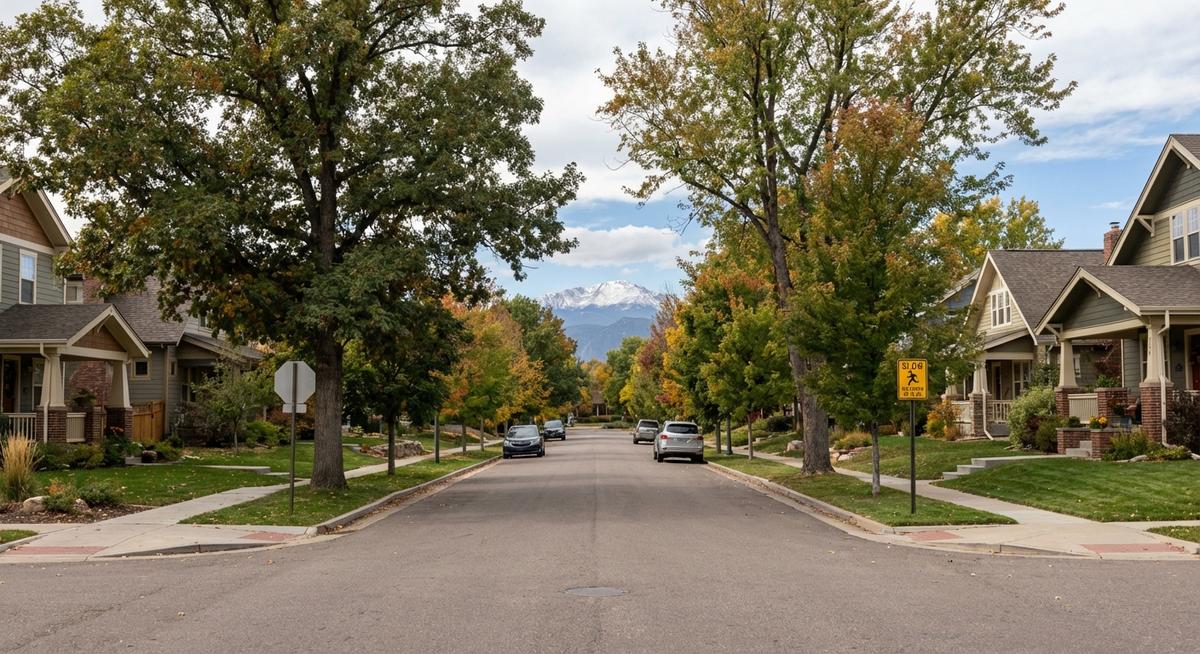
The South Denver vs North Denver distinction isn’t just about location on a map—it represents fundamentally different approaches to urban development, community character, and lifestyle priorities that have evolved over decades of growth and change.
South Denver encompasses communities from the central urban core extending south through areas like Capitol Hill, Cherry Creek, Washington Park, Glendale, Englewood, Centennial, Greenwood Village, and Cherry Hills Village. This region is characterized by established neighborhoods, mature landscaping, and a mix of historic and upscale suburban developments.
North Denver includes areas like the Highlands, Berkeley, Regis, Thornton, Westminster, Broomfield, and Arvada. This region has experienced significant growth and development in recent years, with a focus on new construction, modern amenities, and emerging cultural districts.
The South Platte River and major transportation corridors like Interstate 25 and Interstate 76 serve as both physical and cultural boundaries, creating distinct identities that influence everything from housing styles and property values to dining scenes and recreational opportunities.
Historically, South Denver developed earlier and established itself as the region’s center for business, culture, and upscale residential living. North Denver has emerged more recently as a dynamic area focused on growth, innovation, and diverse communities that attract young professionals and families seeking modern amenities.
Lifestyle Differences: Urban Sophistication vs. Modern Growth
The lifestyle differences between South Denver vs North Denver reflect distinct philosophies about urban living, community development, and daily life priorities that appeal to different personality types and life stages.
South Denver offers a more established, sophisticated urban lifestyle characterized by walkable neighborhoods, historic architecture, mature landscaping, and well-developed cultural amenities. Areas like Cherry Creek, Washington Park, and the various historic neighborhoods like Bonnie Brae provide a sense of permanence and continuity that appeals to residents who value tradition and architectural character.
The dining scene in South Denver tends toward upscale establishments, wine bars, and restaurants that have developed loyal followings over years or decades. Shopping options include both boutique stores along tree-lined streets and major shopping destinations like Cherry Creek Mall and Cherry Creek North.
North Denver embraces a more dynamic, growth-oriented lifestyle that attracts residents seeking modern amenities, diverse communities, and emerging cultural scenes. The area’s rapid development has created opportunities for new businesses, innovative dining concepts, and contemporary housing options that reflect current lifestyle trends.
The craft beer scene, for example, thrives throughout North Denver with numerous breweries, taprooms, and beer gardens that create social gathering places for young professionals and families. The area’s restaurants often emphasize casual dining, international cuisines, and farm-to-table concepts that reflect the region’s diverse population.
Recreational activities differ between the regions as well. South Denver residents often gravitate toward established parks like Washington Park, country clubs, and activities like tennis and golf. For families seeking the best outdoor spaces, our guide to the best parks in South Denver for families showcases the region’s exceptional recreational opportunities. North Denver offers more outdoor adventure opportunities, with easy access to hiking trails, mountain biking, and water sports on nearby reservoirs.
The pace of life tends to be more measured in South Denver, with established routines and traditional approaches to work-life balance. North Denver often appeals to residents who embrace change, enjoy exploring new venues, and prefer communities that are still defining their character.
Housing Prices and Market Dynamics

The housing market represents one of the most significant differences in the South Denver vs North Denver comparison, with distinct pricing structures, architectural styles, and investment potential that appeal to different buyer segments.
South Denver generally commands higher housing prices due to its established neighborhoods, proximity to downtown Denver, mature amenities, and prestigious addresses. Areas like Cherry Hills Village, Greenwood Village, and neighborhoods near Washington Park often exceed $800,000 to $1.5 million for quality single-family homes.
The architectural character in South Denver emphasizes historic styles, custom homes, and established neighborhoods with mature landscaping. Tudor revivals, Colonial homes, mid-century modern houses, and contemporary custom builds create diverse streetscapes that have developed over decades.
Property appreciation in South Denver has historically been strong and consistent, driven by limited inventory, desirable locations, and the area’s established reputation. However, this also means higher entry costs and more competitive buying conditions for new residents.
North Denver offers more accessible housing prices, particularly for families and first-time homebuyers seeking newer construction and modern amenities. Many areas provide excellent value with homes in the $400,000 to $700,000 range that offer contemporary floor plans, energy-efficient systems, and community amenities.
New construction dominates much of North Denver’s housing market, with master-planned communities, townhome developments, and modern single-family neighborhoods that emphasize current lifestyle preferences and architectural trends.
The growth potential in North Denver creates opportunities for strong appreciation as the region continues to develop and mature. Areas that are currently emerging may offer significant upside potential, though with somewhat more market risk than established South Denver locations.
Inventory levels tend to be higher in North Denver due to ongoing development, providing buyers with more options and negotiating power compared to the competitive South Denver market where desirable homes often receive multiple offers.
School Districts: Cherry Creek vs. Denver Public Schools
Education represents a crucial factor in the South Denver vs North Denver decision for families, with significant differences in school district quality, educational philosophy, and long-term outcomes that influence property values and community character.
South Denver benefits from access to the Cherry Creek School District, one of Colorado’s most highly regarded educational systems. Cherry Creek Schools consistently rank among the state’s top performers in standardized testing, college preparation, graduation rates, and extracurricular programming.
The district serves areas including Greenwood Village, Centennial, parts of Aurora, and other South Denver communities. Schools like Cherry Creek High School, Arapahoe High School, and various elementary and middle schools maintain reputations for academic excellence and comprehensive programming.
Cherry Creek Schools offer extensive Advanced Placement programs, International Baccalaureate options, excellent arts and athletics programs, and strong college counseling that help students gain admission to competitive universities nationwide. The district’s resources, teacher quality, and parental involvement create educational environments that consistently produce high-achieving graduates.
North Denver communities are served by a mix of school districts including Denver Public Schools (DPS), Adams County schools, Jefferson County (Jeffco) schools, and Westminster schools, creating more variation in educational quality and approach.
Denver Public Schools has made significant improvements in recent years, with innovative programs, school choice options, and targeted investments in facilities and teaching quality. However, the district still faces challenges with achievement gaps, resource allocation, and consistency across different schools and neighborhoods.
Some North Denver areas benefit from strong suburban school districts like Jeffco or Adams 12, which offer quality education with more diverse programming options and community involvement. These districts often provide good educational outcomes at lower per-pupil costs than Cherry Creek.
The school choice landscape in North Denver provides families with more options to find educational approaches that match their children’s needs, though this requires more research and advocacy from parents compared to the more consistent quality offered by Cherry Creek Schools.
Private and charter school options exist throughout both regions, but South Denver’s higher income levels support more private school choices, while North Denver’s diversity creates demand for specialized charter programs serving different educational philosophies and cultural communities.
Commute Patterns and Transportation Access
Daily commute considerations play a significant role in the South Denver vs North Denver decision, with different transportation infrastructure, traffic patterns, and access to employment centers that can dramatically impact quality of life and time management.
South Denver offers superior access to downtown Denver, the Denver Tech Center, and other major employment hubs through established transportation corridors and public transit options. Interstate 25 provides direct north-south connectivity, while light rail lines serve many South Denver neighborhoods with efficient downtown connections.
Residents of areas like Englewood, Centennial, and neighborhoods near major RTD stations can reach downtown Denver in 20-30 minutes via light rail, making car-free commuting feasible for many professionals.
The Denver Tech Center, one of the region’s largest employment centers, is easily accessible from most South Denver neighborhoods via Interstate 25 or local arterials. This proximity makes South Denver particularly attractive for technology professionals, healthcare workers, and business services employees.
However, South Denver’s established development patterns can create traffic congestion during peak hours, particularly on Interstate 25 and major east-west corridors like Colorado Boulevard and Santa Fe Drive.
North Denver provides excellent access to Boulder, the airport, and northern suburbs, while downtown commutes often require longer travel times and more complex routing. US 36 offers efficient connections to Boulder for technology workers, while Interstate 70 provides access to mountain recreation areas.
Denver International Airport is more accessible from North Denver locations, making the region attractive for frequent business travelers or airline industry employees. The FasTracks train line connects some North Denver areas directly to the airport.
Traffic patterns in North Denver often involve less congestion than South Denver, though this is changing as the region continues to grow and develop. The newer road infrastructure in many North Denver areas can handle traffic volumes more effectively than some older South Denver corridors.
Public transportation options vary widely across North Denver, with some areas well-served by bus and light rail while others rely primarily on car transportation. The region’s rapid growth has sometimes outpaced transit infrastructure development.
Family-Friendliness and Community Safety
Family considerations often determine the outcome of the South Denver vs North Denver choice, with different approaches to community development, safety, and child-friendly amenities that appeal to various parenting styles and family priorities.
South Denver’s established neighborhoods often provide the consistency and stability that many families seek, with mature communities, established schools, and time-tested amenities. Neighborhoods have had decades to develop strong community bonds, neighborhood watch programs, and family-oriented activities.
Parks and recreational facilities in South Denver tend to be well-established and well-maintained, with destinations like Washington Park offering extensive programming for children and families. Youth sports leagues, community centers, and cultural institutions provide comprehensive options for child development and family activities.
The walkability of many South Denver neighborhoods allows children to develop independence and community connections through activities like walking to school, visiting local shops, and interacting with neighbors in pedestrian-friendly environments.
Safety statistics in South Denver generally reflect the area’s higher income levels and established community structures, with lower crime rates in most neighborhoods and strong community policing relationships that help maintain secure environments for families.
North Denver offers family-friendly amenities focused on modern lifestyle preferences, with newer parks, contemporary community centers, and family activities that reflect current trends in child development and community engagement.
Many North Denver communities were designed with families in mind, featuring safe streets, playgrounds, trail systems, and community amenities that support active lifestyles and neighborhood interaction. Master-planned communities often include pools, fitness centers, and organized activities.
The newer development patterns in North Denver often provide better integration of family amenities, with schools, parks, and shopping centers designed to be accessible and convenient for busy families with multiple activities and commitments.
Safety levels vary more widely across North Denver due to the region’s diversity and ongoing development. Some areas maintain excellent safety records while others are still developing the community infrastructure and social capital that contribute to neighborhood security.
North Denver’s growth provides opportunities for families to help shape community character and participate in the development of local institutions, schools, and amenities in ways that may be more difficult in South Denver’s established neighborhoods.
Nightlife and Cultural Attractions
The entertainment and cultural landscape represents a significant differentiator in the South Denver vs North Denver comparison, with distinct approaches to nightlife, arts, dining, and cultural programming that appeal to different social preferences and lifestyle priorities.
South Denver’s nightlife tends toward sophisticated venues, upscale restaurants, wine bars, and cultural institutions that have developed loyal followings over years or decades. The region’s established character supports venues that emphasize quality, consistency, and refined experiences.
Cherry Creek offers some of Denver’s finest dining and shopping experiences, with restaurants helmed by acclaimed chefs and retail establishments that attract visitors from throughout the region. The area’s cultural attractions include art galleries, theaters, and seasonal events that reflect the community’s appreciation for arts and culture.
The music and entertainment scene in South Denver often features venues that book established artists and provide more intimate, curated experiences. Jazz clubs, wine bars, and cocktail lounges create sophisticated social environments for adults seeking quality over quantity.
Historic neighborhoods throughout South Denver host seasonal festivals, art walks, and community events that bring together residents and visitors while celebrating the area’s architectural heritage and community character.
North Denver has emerged as a hotspot for innovative dining, craft brewing, and emerging cultural scenes that attract young professionals and families seeking diverse, affordable entertainment options. The region’s rapid growth has created opportunities for new business concepts and cultural initiatives.
The craft beer scene thrives throughout North Denver, with numerous breweries, taprooms, and beer gardens that serve as community gathering places and social hubs. These venues often feature live music, food trucks, and family-friendly environments that reflect the region’s casual, inclusive character.
Dining options in North Denver emphasize diversity, innovation, and accessibility, with restaurants representing cuisines from around the world and price points that accommodate various budgets. Food halls, farmers markets, and casual dining concepts create social opportunities for residents of all ages.
The arts scene in North Denver includes emerging galleries, music venues, and cultural events that often feature local artists and musicians. The region’s growth provides opportunities for creative professionals to establish venues and build audiences in ways that may be more challenging in South Denver’s established cultural landscape.
Outdoor entertainment options abound in North Denver, with proximity to hiking trails, open space, and recreational opportunities that support active lifestyles and outdoor social activities throughout the year.
Growth Trends and Future Development
Understanding growth patterns and future development plans is crucial for making informed decisions in the South Denver vs North Denver comparison, as these trends will significantly impact property values, community character, and quality of life over the coming decades.
South Denver’s development has reached a mature phase in most areas, with limited opportunities for new construction and a focus on renovation, infill development, and preservation of existing neighborhood character. This stability appeals to residents seeking established communities with predictable growth patterns.
Property values in South Denver tend to appreciate steadily based on the region’s established desirability, limited inventory, and consistent demand from buyers seeking quality neighborhoods and amenities. However, this also means fewer opportunities for dramatic appreciation or finding undervalued properties.
Infrastructure in South Denver is generally well-established but may require ongoing maintenance and upgrades to handle current usage levels. Transportation improvements focus on optimizing existing systems rather than building new capacity.
The mature character of South Denver provides predictability but may limit opportunities for residents to influence community development or participate in creating new amenities and institutions.
North Denver represents one of the fastest-growing regions in Colorado, with ongoing residential development, commercial construction, and infrastructure expansion that creates both opportunities and challenges for current and future residents.
Population growth in North Denver continues at rapid rates, driven by job growth, affordable housing options, and quality of life factors that attract families and young professionals from throughout the country. This growth supports new businesses, amenities, and community institutions.
Property appreciation potential in North Denver may be higher than South Denver due to ongoing development and increasing recognition of the region’s advantages. However, this growth also brings risks related to overbuilding, infrastructure strain, and changing community character.
New infrastructure development in North Denver includes transportation improvements, utility expansion, and community facilities designed to support the growing population. These improvements generally incorporate current best practices and technology.
The rapid growth in North Denver provides opportunities for residents to participate in community development, support new businesses, and help shape neighborhood character as communities continue to evolve and mature.
Which Side is Better for Families?
The family-friendliness comparison in South Denver vs North Denver depends heavily on family priorities, children’s ages, lifestyle preferences, and long-term goals, with each region offering distinct advantages for different family situations.
South Denver generally provides superior educational opportunities through access to the Cherry Creek School District, which consistently ranks among Colorado’s top school systems. For families prioritizing academic achievement, college preparation, and educational resources, this advantage often outweighs other considerations.
The established neighborhoods in South Denver offer stability, mature amenities, and community institutions that have developed over decades. Families benefit from predictable environments, established youth programs, and neighborhood continuity that supports long-term relationships and community connections.
Safety statistics generally favor South Denver, with lower crime rates and established community policing programs that create secure environments for children and families. The walkability of many neighborhoods allows children to develop independence while maintaining safety.
However, South Denver’s higher housing costs may limit family housing options, particularly for families needing larger homes or those with single incomes. The competitive housing market can make it challenging for families to find appropriate properties within their budgets.
North Denver offers more affordable housing options that allow families to purchase larger homes, newer construction, and communities with modern amenities like pools, fitness centers, and trail systems. Growing families often find better value and more space in North Denver communities.
The newer development in North Denver often includes family-focused design elements like safe streets, nearby parks, and community centers that support active lifestyles and neighborhood interaction. Master-planned communities frequently offer amenities specifically designed for families with children.
North Denver’s growth creates opportunities for families to participate in community development, support new schools and programs, and help establish the character of emerging neighborhoods. This involvement can be rewarding for families who enjoy being part of community building.
However, families in North Denver may face challenges with school quality variation, longer commutes to some employment centers, and the uncertainties that come with rapidly growing communities where infrastructure and services are still developing.
For families with school-age children who prioritize educational excellence and can afford South Denver housing costs, the region often provides the best long-term outcomes. Families seeking affordability, modern amenities, and opportunities to participate in community development may find North Denver more appealing.
Which Side is Better for Young Professionals?
The young professional demographic faces different considerations in the South Denver vs North Denver choice, with career opportunities, lifestyle preferences, social scenes, and long-term investment potential all playing important roles in the decision-making process.
South Denver offers superior access to downtown Denver employment, the Denver Tech Center, and other major business districts through established transportation corridors and public transit options. Young professionals working in finance, law, healthcare, or technology often find South Denver locations more convenient for career advancement and networking opportunities.
The sophisticated social scene in South Denver appeals to young professionals seeking upscale dining, cultural events, and networking opportunities that support career development. Areas like Cherry Creek and various historic neighborhoods provide environments where professional relationships and social connections naturally develop.
Public transportation options in South Denver make car-free living more feasible, which appeals to young professionals who prefer to avoid car payments, parking hassles, and the responsibilities of vehicle ownership. Light rail connections to downtown Denver and the airport support both career and lifestyle goals.
However, South Denver’s higher housing costs may limit young professionals to smaller homes, condominiums, or rental properties, particularly during the early stages of career development when incomes are still growing.
North Denver provides more affordable housing options that allow young professionals to purchase homes sooner and build equity while still developing their careers. The region’s newer construction often includes modern amenities and energy-efficient features that reduce ongoing housing costs.
The dynamic, emerging character of North Denver appeals to young professionals who enjoy exploring new venues, supporting local businesses, and participating in communities that are still defining their identity. The craft beer scene, diverse dining options, and outdoor recreation opportunities create vibrant social environments.
Career opportunities in North Denver include emerging technology companies, startups, and businesses that benefit from lower operating costs and modern facilities. Young professionals interested in entrepreneurship or joining growing companies may find more opportunities in North Denver’s developing economy.
North Denver’s proximity to Boulder, outdoor recreation areas, and the airport appeals to young professionals who value work-life balance, outdoor activities, and travel opportunities. The region’s lifestyle orientation often aligns with young professional priorities.
However, young professionals in North Denver may face longer commutes to established employment centers, fewer networking opportunities in their specific industries, and less access to cultural amenities that support professional development and social advancement.
For young professionals prioritizing career advancement in established industries and urban sophistication, South Denver often provides better long-term opportunities. Those seeking affordability, emerging opportunities, and outdoor-oriented lifestyles may find North Denver more aligned with their goals.
Investment and Long-Term Value Considerations
Real estate investment potential represents a crucial factor in the South Denver vs North Denver comparison, with different risk-reward profiles, appreciation patterns, and long-term value propositions that appeal to various investment strategies and risk tolerances.
South Denver properties generally offer more predictable, steady appreciation based on the region’s established desirability, limited inventory, and consistent demand from high-income buyers. The mature neighborhoods and prestigious addresses support property values even during economic downturns.
The supply constraints in South Denver, due to limited developable land and preservation of existing neighborhoods, help maintain property values and create opportunities for long-term wealth building through real estate ownership. Quality properties in desirable locations rarely lose value significantly.
However, South Denver’s higher entry costs mean larger initial investments and potentially lower cash-on-cash returns compared to more affordable North Denver properties. The established pricing may also limit opportunities for exceptional appreciation.
Rental investment opportunities in South Denver benefit from strong demand from high-income tenants, including young professionals, executives, and families who choose to rent in desirable areas while building wealth or awaiting the right purchase opportunity.
North Denver offers higher appreciation potential due to ongoing development, increasing recognition of the region’s advantages, and the general trend toward suburban growth in the Denver metro area. Properties purchased during the current growth phase may see significant value increases as the region matures.
The lower entry costs in North Denver allow investors to purchase larger properties, multiple properties, or properties with better cash flow characteristics compared to similar investments in South Denver. This accessibility supports wealth building for investors with limited initial capital.
New construction and modern amenities in North Denver often require lower maintenance costs and appeal to tenants seeking contemporary living environments, though the higher supply of rental properties may limit rent growth compared to constrained South Denver markets.
However, North Denver investments carry higher risks related to overbuilding, economic sensitivity, and the possibility that rapid growth may outpace demand, leading to market corrections or slower appreciation periods.
Long-term demographic trends favor both regions but for different reasons. South Denver benefits from its established reputation and proximity to employment centers, while North Denver gains from population growth, job creation, and lifestyle preferences that favor suburban living with urban access.
For investors seeking stability and predictable returns, South Denver properties often provide better risk-adjusted returns. Investors comfortable with higher risk in exchange for potentially higher rewards may find North Denver offers better opportunities for wealth creation through real estate investment.
Making Your Decision: Key Factors to Consider
Choosing between South Denver vs North Denver requires careful evaluation of personal priorities, lifestyle preferences, financial considerations, and long-term goals that will determine which region provides the better fit for your individual situation.
Start by honestly assessing your budget and housing priorities. If you can afford South Denver housing costs and value established neighborhoods, sophisticated amenities, and superior school districts, the region may justify the premium pricing. If affordability, modern amenities, and opportunities for larger homes are priorities, North Denver may provide better value.
Consider your career situation and commute requirements carefully. Professionals working downtown, in the Denver Tech Center, or in established business districts may find South Denver’s transportation advantages worth the higher costs. Those working in Boulder, northern suburbs, or emerging industries may prefer North Denver’s location and accessibility.
Family considerations should heavily influence your decision if you have school-age children. The Cherry Creek School District‘s educational excellence provides significant advantages for child development and college preparation, though North Denver’s family-friendly communities and affordable housing may better support other family priorities.
Think about your social and lifestyle preferences. If you value established cultural institutions, sophisticated dining, and urban walkability, South Denver’s mature amenities may appeal to you. If you prefer emerging scenes, diverse communities, outdoor recreation access, and opportunities to participate in community development, North Denver may be more aligned with your interests.
Consider your long-term goals and investment objectives. South Denver generally provides more stability and predictable appreciation, while North Denver offers higher growth potential with associated risks. Your risk tolerance and investment timeline should influence this aspect of your decision.
Visit both regions extensively at different times of day and days of the week to experience the daily rhythm of life in each area. Spend time in neighborhoods, visit local businesses, and imagine how your routines would unfold in each environment.
Talk to current residents, real estate professionals, and local business owners to gain insights into community character, future development plans, and quality of life factors that may not be immediately apparent to visitors.
The Verdict: There’s No Wrong Choice
The South Denver vs North Denver decision ultimately comes down to personal priorities, lifestyle preferences, and individual circumstances rather than one region being objectively superior to the other. Both areas offer compelling advantages that appeal to different residents and support different approaches to urban living.
South Denver excels in providing established sophistication, superior educational opportunities, convenient downtown access, and predictable investment returns. The region appeals to residents who value tradition, architectural character, cultural amenities, and the stability that comes with mature communities.
North Denver offers affordability, modern amenities, emerging opportunities, and dynamic growth that attracts residents seeking value, contemporary living environments, and the excitement of participating in rapidly developing communities.
For families with school-age children who can afford South Denver housing costs, the educational advantages often make the choice clear. Young professionals may find either region appealing depending on their career focus, budget, and lifestyle priorities.
Investment considerations favor South Denver for stability-focused investors and North Denver for growth-oriented investors, though both regions offer viable real estate investment opportunities with different risk-reward profiles.
The most important factor in your decision should be alignment between the region’s character and amenities with your personal priorities and long-term goals. Visit both areas, experience daily life in each region, and choose the location where you can envision building the lifestyle and community connections you desire.
Denver’s continued growth and development ensure that both South Denver and North Denver will remain attractive places to live, work, and invest. Your choice should reflect your individual circumstances and preferences rather than any attempt to identify a universally “better” option.
Ultimately, moving to South Denver or North Denver means joining one of the most dynamic metropolitan areas in the United States, with access to outdoor recreation, career opportunities, cultural amenities, and quality of life that consistently rank among the nation’s best.
Whether you choose the established sophistication of South Denver or the emerging vitality of North Denver, you’ll become part of a community that values outdoor living, innovation, and the unique lifestyle that makes the Mile High City such an attractive place to call home.
Frequently Asked Questions
How do commute times compare between South Denver and North Denver?
South Denver generally offers shorter commutes to the Denver Tech Center and the southern suburbs, while North Denver has easier access to downtown and Boulder. South Denver benefits from multiple light rail lines along I-25, whereas North Denver commuters often rely more on I-25 northbound or I-70, which can experience heavy congestion.
Is South Denver more family-friendly than North Denver?
South Denver is widely considered one of the most family-friendly areas in metro Denver, with access to top-rated Cherry Creek and Littleton school districts, abundant parks, and quieter suburban neighborhoods. North Denver offers a more urban lifestyle with trendy dining and nightlife, which tends to attract younger professionals and couples.
Are homes cheaper in South Denver or North Denver?
Home prices vary widely in both areas, but South Denver generally offers more options in the mid-range price bracket, especially in communities like Centennial, Hampden South, and University Hills. North independent city in the South Denver metro areas like LoHi and RiNo have seen rapid price appreciation due to their proximity to downtown and trendy appeal.